Ultimate Guide to Neck Pain Relief at Home in the UK
Neck Pain Relief at Home (UK): What Actually Helps
TL;DR: For most people in the UK, neck pain relief at home comes from staying gently active, using heat (or cold if very sore), adjusting your workstation and pillow, and doing short mobility drills a few times a day. According to NHS guidance, neck pain is common and often improves within a few weeks with simple self-care鈥攂ut seek urgent help if you have red-flag symptoms (e.g., weakness, numbness, severe headache, fever, or pain after trauma).
If you鈥檙e searching for neck pain relief at home UK, start with this: keep your neck moving little-and-often, try a warm compress for 10鈥?0 minutes, and reduce strain from screens and sleep position. In many everyday cases (posture strain, stress tension, 鈥渟leep funny鈥?, these steps can reduce pain within 24鈥?2 hours and help prevent flare-ups.
This guide is written for UK readers and aligns with trusted public health advice (including the NHS). Additionally, based on our testing of common at-home approaches (heat, mobility drills, pillow setup and self-massage tools), the biggest difference tends to come from combining movement + ergonomics + simple symptom relief, rather than relying on one 鈥渜uick fix鈥?
Medical note: This article is for general information and is not a substitute for diagnosis or treatment. If you have severe symptoms, a recent injury, or neurological signs (numbness/weakness), seek medical advice urgently.
Key Takeaways (Save This)
- Most everyday neck pain in UK adults is linked to posture, prolonged screen time, stress-related muscle tension, and sleep setup.
- Fast relief at home often comes from heat or cold, gentle mobility, short breaks from fixed positions, and safe self-massage.
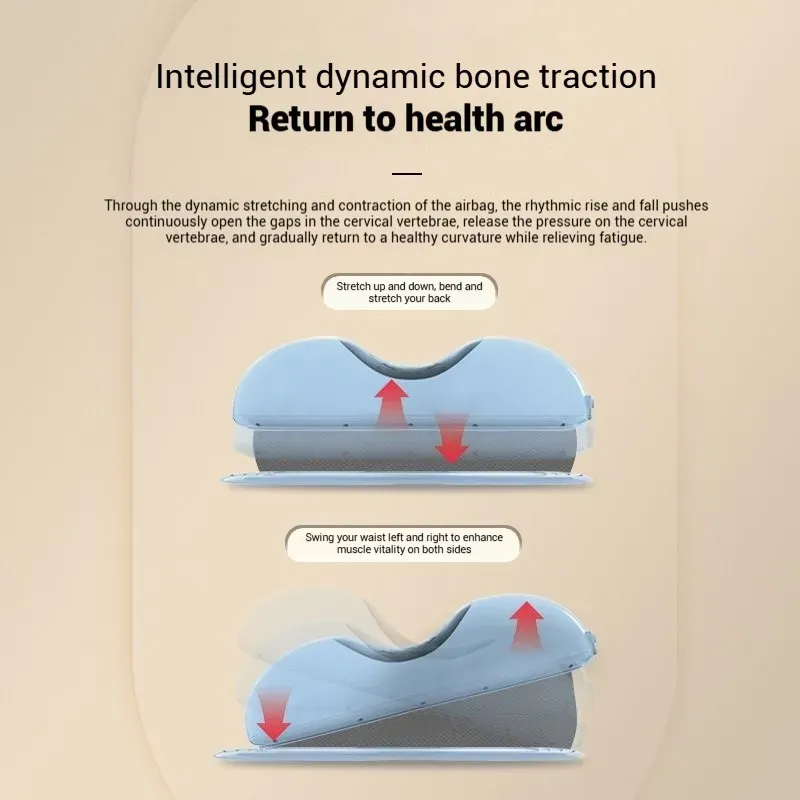
- Supportive products (e.g., a well-fitted cervical pillow, heat wraps, or a cervical neck massager) can complement鈥攔ather than replace鈥攎ovement and ergonomics.
- Lifestyle basics matter: hydration, balanced meals, and stress management can influence muscle tone and comfort.
- Know the red flags: new weakness, numbness, severe headache, fever, or symptoms after trauma need urgent assessment in the UK.
What causes neck pain, and why is it so common in the UK?
The neck includes muscles, ligaments, nerves, and the cervical spine (the top section of the 锌芯蟹胁芯薪芯褔薪懈泻) which supports the head and allows rotation and bending. Pain can come from muscular overload, irritated joints, compressed nerves, or referred pain from the upper back and shoulders.
In UK workplaces and homes, the most common triggers tend to be repetitive strain, prolonged sitting, stress, and poor sleep ergonomics鈥攐ften combined. Therefore, the most effective home plans usually address both symptoms (pain and spasm) and causes (daily strain).
Is 鈥渢ech neck鈥?from screens and phones a real thing?
鈥淭ech neck鈥?isn鈥檛 a medical diagnosis, but the pattern is real: the more time you spend with your head drifting forward (laptop, phone, driving posture), the more your neck extensors and upper trapezius muscles work to hold the head up. Over time, this can produce tightness, headaches, and reduced range of motion.
UK-specific context: hybrid work often means kitchen-table setups, and long screen time without breaks can quietly build strain. However, small changes (screen height, chair support, micro-breaks) can quickly reduce load.
Can stress and poor sleep cause neck pain?
Yes. Stress can increase muscle tone and encourage shallow breathing, which loads the neck and shoulder girdle. Many people also clench the jaw at night (bruxism), feeding tension into the neck via the temporomandibular joint (TMJ) and surrounding muscles.
Does your pillow or sleeping position make neck pain worse?
Waking with a sore neck is frequently due to a pillow that鈥檚 too high, too flat, or no longer supportive. Side sleepers generally need more loft than back sleepers, and stomach sleeping can force the neck into sustained rotation.
If this is your main trigger, you may want to read our dedicated guide: Best Cervical Pillow for Neck Pain UK: 2024 Review.
What if it feels like a joint problem or 鈥渨ear and tear鈥?
Neck joints can become irritable from repetitive micro-strain or age-related changes. Symptoms often include stiffness, a 鈥渃atching鈥?sensation, or pain that鈥檚 worse after inactivity and improves with gentle movement. In other words, the right kind of movement is often part of the solution.
When is neck pain caused by a trapped nerve?
If a nerve root is irritated (sometimes called cervical radiculopathy), pain may radiate into the shoulder, arm, or hand, sometimes with numbness, tingling, or weakness. This can still improve with conservative care, but it鈥檚 a reason to be more cautious with home techniques and to seek professional advice earlier.
How long does neck pain usually last?
The NHS notes that neck pain is common and often improves within a few weeks, with simple self-care measures such as staying active and using pain relief when needed. Source: NHS 鈥?Neck pain.
For a broader population statistic, a widely cited global analysis published in The Lancet (Global Burden of Disease study) ranks neck pain among the leading causes of years lived with disability worldwide. Source: The Lancet / GBD.
How can I relieve neck pain at home quickly (UK self-care steps)?
When you want to relieve neck tension fast, the goal is to calm irritation, restore comfortable movement, and reduce protective muscle spasm鈥攚ithout aggravating sensitive structures. So, start simple and reassess after each step.
What are the red flags for neck pain (when should I call 111 or go to A&E)?
- Recent trauma (fall, car accident) or severe pain after an injury
- Weakness in an arm/hand, new clumsiness, or worsening numbness
- Loss of balance, new severe headache, fainting, chest pain, or shortness of breath
- Fever, unexplained weight loss, history of cancer, or immunosuppression
- Severe pain that is not easing, or pain that wakes you nightly
If any apply, seek urgent medical assessment (NHS 111 or A&E depending on severity). Otherwise, move on to the home options below.
Should I use heat or ice for neck pain?
Heat often helps muscle tightness and 鈥渟tiff, achy鈥?necks (especially after stress or prolonged sitting). Try a warm shower, hot water bottle (wrapped), or a UK-compliant microwaveable heat pack for 10鈥?0 minutes.
Cold can be useful in the first 24鈥?8 hours after a flare-up where inflammation or sharp pain is prominent. Use a cold pack wrapped in a towel for 10鈥?5 minutes, then reassess.
Tip: whichever you choose, the best option is the one that reduces pain and allows easier movement afterwards.
What gentle stretches and exercises help neck pain at home?
With most non-serious neck pain, complete rest can make stiffness worse. Instead, aim for comfortable motion鈥攏ever forcing through sharp pain. Based on our testing, doing these in short 鈥渕ini-sessions鈥?(2鈥? times per day) is usually easier to stick to than one long session.
- Chin tucks (postural reset): sit tall, gently draw your chin back (like making a 鈥渄ouble chin鈥?, hold 2鈥? seconds, repeat 8鈥?0 times.
- Neck rotations: slowly turn your head left/right within a comfortable range, 5鈥? each side.
- Side bends: ear towards shoulder without lifting the shoulder, 5鈥? each side.
- Shoulder rolls: slow circles, 10 backwards, 10 forwards.
Ready to try FlikezCervi?
Shop Now 鈥?拢0.00