Neck Pain Relief at Home (UK): What Actually Helps
Neck pain relief at home usually comes from staying gently active, using heat, easing back into normal movement, and sorting out the everyday things that strain your neck — your desk setup, your phone habit and your pillow. Most ordinary neck pain settles within a couple of weeks with self-care; the trick is knowing what actually helps and what to avoid.
What actually helps
- Keep moving gently: the NHS advice for most neck pain is to stay active rather than rest completely. Gentle movement stops the area stiffening up.
- Use heat: a warm compress or heat pack can ease muscle tension and make movement more comfortable.
- Manage pain sensibly: a pharmacist can advise on suitable over-the-counter pain relief if you need it.
- Fix the obvious triggers: raise your screen, take breaks from your phone, and check your pillow height.
Simple movements to try
Slow, pain-free range-of-motion helps: gentle turns to look over each shoulder, easing your ear towards each shoulder, and slow chin tucks (drawing the chin back to make a “double chin”). Move within comfort, never forcing into pain, a few times a day.
Posture, screens and sleep
Much everyday neck pain is really a load problem: hours with the head tipped forward over a screen or phone. Raising your monitor to eye level, taking regular micro-breaks and improving your sleep setup often help more than any gadget. Our guide to tech neck relief covers the desk-worker fixes in detail.
What to avoid
Avoid long periods of complete rest, and be cautious with soft collars, which are generally not recommended for ordinary neck pain because they can weaken muscles if overused. Warmth, gentle movement and a supportive pillow are safer bets. If you own a massager, use it sensibly — see how to use a cervical neck massager.
When to see a GP
See a GP if neck pain is severe, follows an accident or injury, lasts more than a few weeks despite self-care, or comes with numbness, weakness or pins and needles in the arms, problems with balance, or a fever. Seek urgent help for a very stiff neck with a high temperature or a severe sudden headache.
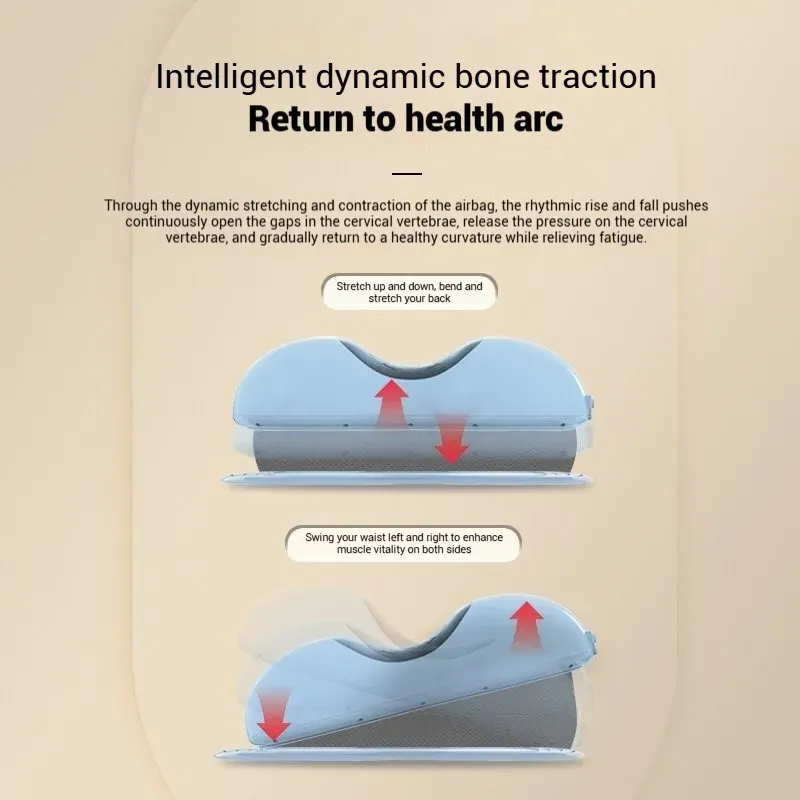
For steady warmth as part of your routine, the FlikezCervi Heated Neck Stretcher with Red Light Therapy (£121.52) is designed for short, relaxing home sessions.
Frequently Asked Questions
How can I relieve neck pain at home?
Stay gently active, use heat, keep your neck moving within comfort, and fix everyday triggers such as screen height, phone use and pillow support. Most ordinary neck pain eases within a couple of weeks.
Is heat or ice better for neck pain?
Heat is often more soothing for tension-type neck pain because it relaxes tight muscles. Ice can help a fresh injury with swelling. Use whichever feels better, and protect the skin.
Should I rest my neck completely?
No. Long periods of complete rest tend to make ordinary neck pain worse. Gentle, regular movement within your comfort is usually the better approach.
When should I see a doctor for neck pain?
See a GP if pain is severe, follows an injury, lasts more than a few weeks, or comes with numbness, weakness or tingling in the arms, balance problems, or a fever.
Gentle heat and traction at home
Free UK delivery · 30-day returns · Secure checkout
View the FlikezCervi Heated Neck Stretcher — £121.52Not medical advice. Speak to a GP or pharmacist if symptoms persist.