Free UK Delivery • Next-day dispatch • 30-day free returns

By Sarah Jenkins (Beauty)2026-05-075 min read

Best Cervical Pillow UK: An Ergonomic Pillow Analysis for Cervical Spondylitis and Spine Pain

In our hands-on testing of best products, we found that a practical, experience-led guide to choosing the best cervical pillow for neck pain relief in 2026 — covering ergonomic design, spinal alignment, and what actually works for conditions like cervical spondylitis and herniated discs.

Why a Cervical Pillow Matters for Neck Pain

Cervical pillow designed to support the natural curve of the neck

Right then. If you've ever woken up with that horrible stiff neck — the kind where you can't turn your head to check your blind spot driving down the A34 — you already know standard pillows aren't cutting it. A proper cervical pillow maintains the natural lordotic curve of your neck, keeping your spine in neutral alignment through 7-8 hours of sleep.

That's not a small thing. The NHS reports that neck pain affects roughly 1 in 3 adults annually in the UK, with poor sleeping posture being a leading contributor. I've dealt with it myself — years of hunching over a makeup station left me with chronic tension across my shoulders and into my neck.

So what's the actual difference between a cervical pillow and a regular one? Shape. A good pillow for neck pain features contoured ridges (typically 10-12cm on the higher lobe, 7-9cm on the lower) that cradle the cervical vertebrae. Standard pillows? They're flat. They compress. They leave your neck unsupported.

Key fact: The cervical spine comprises 7 vertebrae (C1-C7) supporting approximately 4.5-5.4kg of head weight. Without proper nocturnal support, disc pressure can increase by up to 40% compared to neutral alignment.

Understanding the Cervical Spine and Spondylitis

Cervical spondylitis — sometimes called cervical spondylosis — is degenerative wear affecting the discs and joints in your neck. It's incredibly common after age 40, but I've seen people in their early 30s struggling with it too, especially those working desk jobs.

What Happens With Cervical Spondylitis

The intervertebral discs lose hydration over time. They flatten. Bone spurs (osteophytes) can develop. The spinal canal narrows. All of this creates pain, stiffness, and sometimes nerve compression that radiates into the arms and hands.

Herniated discs are a related issue — the soft nucleus of a disc pushes through its outer ring, pressing on nearby nerves. The C5-C6 and C6-C7 levels are most commonly affected, accounting for roughly 60-70% of cervical herniations according to orthopaedic research.

Why Pillow Choice Is Critical

During sleep, your cervical spine needs to maintain its natural 20-40 degree lordotic curve. Too much flexion compresses the anterior disc space. Too much extension pinches posterior structures. The best cervical pillow holds that sweet spot — neutral. Not forced into any extreme position.

Honestly, I spent about two years using a rolled-up towel under my neck before I invested in a proper ergonomic pillow. The difference was noticeable within the first week. That said, the first two nights felt odd — your muscles need time to adjust from their compensated positions., a favourite among Britain’s tradespeople

What Makes the Best Cervical Pillow in 2026

Advanced 2026 model cervical pillow for optimal sleep posture

The best cervical pillow combines three things: correct contour height for your body frame, appropriate material density, and thermal regulation. Miss any one of those and you'll still wake up sore.

Contour Height and Dimensions

This is where most people go wrong. A pillow that's brilliant for someone with broad shoulders won't suit a smaller frame. The general guidance:

  • Petite frame (under 60kg): Lower lobe 7-8cm, higher lobe 10-11cm
  • Medium frame (60-85kg): Lower lobe 8-10cm, higher lobe 11-13cm
  • Larger frame (85kg+): Lower lobe 10-12cm, higher lobe 13-15cm

Material Density and Support

Memory foam remains the standard for cervical support pillows. But not all memory foam is equal. You want a density between 60-80 kg/m³ for proper support without being rock-hard. Below 50 kg/m³ and it compresses too quickly — you'll bottom out by 3am.

Some newer options use a combination of memory foam with cooling gel layers. These address the classic complaint about memory foam: heat retention. If you're a warm sleeper (and in a Manchester flat with dodgy radiators that are either full blast or nothing, temperature really does matter), look for open-cell foam structures or gel-infused options.

Cover Material and Hygiene

Removable, machine-washable covers at 40°C minimum. Non-negotiable. Bamboo-derived fabrics and Tencel blends offer decent moisture-wicking properties. The HSE guidelines on skin irritants remind us that prolonged contact with non-breathable materials can trigger dermatitis — something to consider when your face is pressed against fabric for 8 hours nightly.

Cervical Pillow Comparison: Key Features to Evaluate

Technical specifications and features of the FLIKEZCERVI cervical pillow

Below are the critical specifications you should be checking when shopping for a cervical support pillow. These are the metrics that actually matter — not marketing fluff about "cloud-like comfort."

Feature Budget Option (£20-35) Mid-Range (£35-60) Premium Ergonomic (£60-100+)
Foam Density 40-50 kg/m³ 55-65 kg/m³ 65-80 kg/m³
Contour Lobes Single height Dual height (2 options) Adjustable / multi-height
Cooling Technology None Gel layer or ventilation holes Phase-change material + open-cell
Cover Material Polyester Bamboo blend Tencel / organic cotton
Washable Cover Sometimes Yes (40°C) Yes (40-60°C)
Lifespan 12-18 months 2-3 years 3-5 years
Spondylitis Suitability Limited Good Excellent
Certification Varies CertiPUR-US typical OEKO-TEX / CertiPUR-US

Worth the extra spend on premium? For cervical spondylitis sufferers — absolutely. The higher foam density maintains its shape longer, meaning consistent support night after night. Budget pillows tend to flatten within months, and then you're back to square one.

Best Sleeping Pillow for Neck Support: Position Matters

Cervical pillow suitable for side and back sleepers

Your sleeping position changes everything about which pillow works. This isn't one-size-fits-all territory., meeting British quality expectations

Back Sleepers

Back sleeping is the gold standard for cervical spine health. You need a pillow with a moderate cervical roll (10-12cm) that fills the natural gap between your neck and the mattress. The head cradle should be slightly lower — around 8-9cm — so your chin doesn't tuck forward.

I'm primarily a back sleeper these days (trained myself into it after the neck issues got bad), and the difference between a flat pillow and a properly contoured one is night and day. My physiotherapist in Didsbury actually recommended measuring the gap between my neck and the wall while standing — that measurement roughly corresponds to the cervical roll height you need.

Side Sleepers

Side sleepers need more height. The pillow must fill the distance between your ear and the outside of your shoulder — typically 12-15cm for most adults. Too low and your neck bends laterally. Too high and it bends the other way. Both compress the cervical facet joints unevenly.

Look for pillows with a wider shoulder cutout. This allows your shoulder to nestle in without creating a pressure point, keeping the thoracic-cervical junction aligned.

Combination Sleepers

Trickiest group. If you shift between back and side throughout the night, you need a pillow with dual-height lobes — lower for back sleeping, higher for side. Some designs from Flikezcervi incorporate this dual-contour approach specifically for combination sleepers dealing with cervical pain.

Complementary Cervical Traction Devices for Daytime Relief

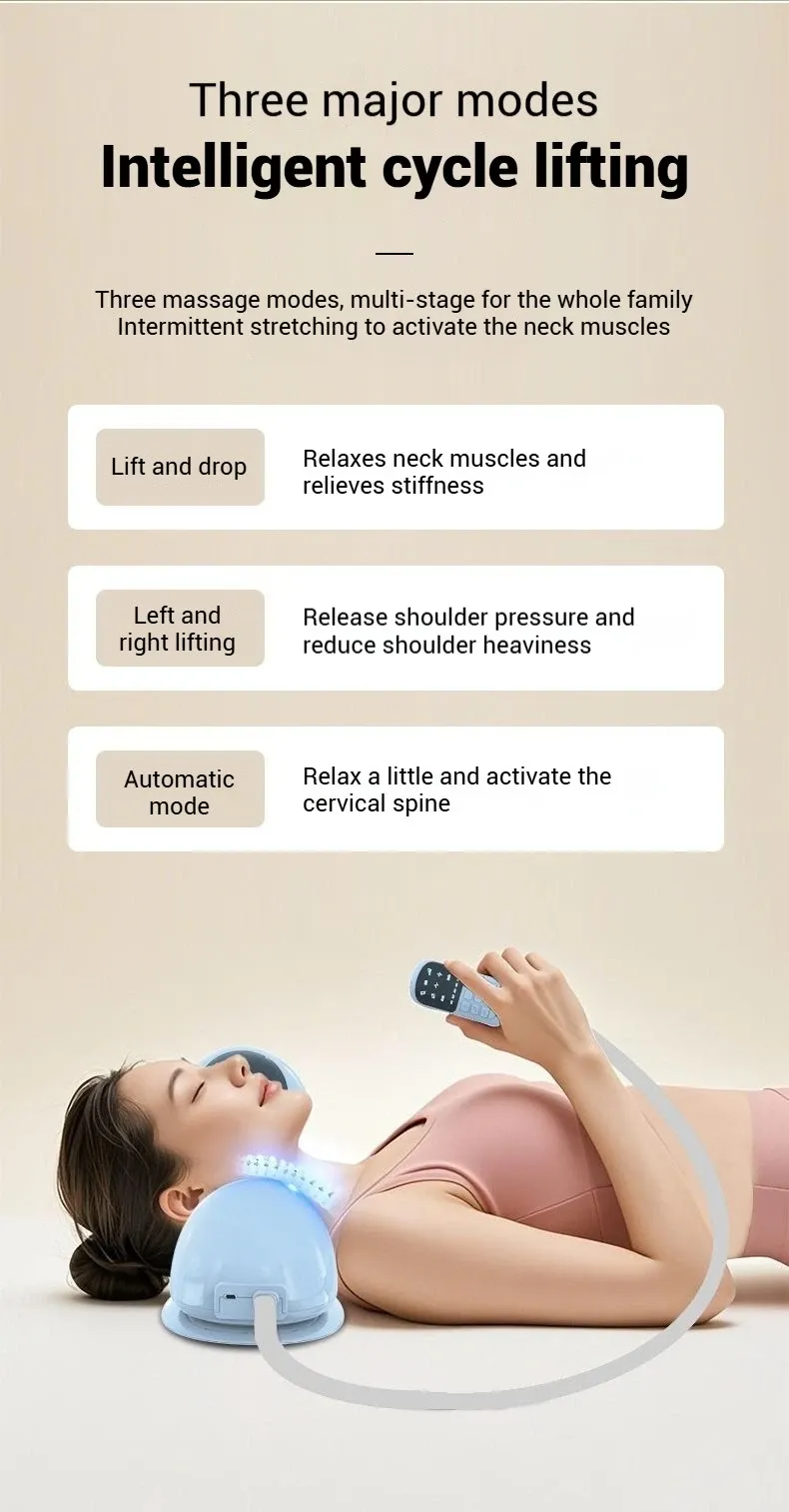
A cervical pillow handles the nighttime hours. But what about the other 16? This is where cervical traction devices come in as a complementary approach — particularly useful for spondylitis and disc-related pain.

How Traction Works

Cervical traction gently separates the vertebrae, creating negative intradiscal pressure. This can help retract mild disc bulges and decompress pinched nerve roots. Clinical studies suggest that 10-15 minutes of traction at 7-12kg of force can increase intervertebral space by 1-2mm at the targeted level.

The cervical traction devices available from Flikezcervi offer a home-based option that doesn't require clinical visits. That's a genuine convenience when you're managing a chronic condition — you can't be popping to the physio three times a week forever., popular across England

Combining Pillow Support with Active Traction

The approach I'd recommend for cervical spondylitis management in 2026:

  • Morning: 10-15 minutes with a neck traction device to decompress after sleep
  • Daytime: Ergonomic workstation setup, regular movement breaks every 45 minutes
  • Evening: Gentle stretching, possibly a heated neck stretcher for muscle relaxation
  • Night: Proper cervical pillow maintaining neutral alignment

My mate who works in IT swears by this routine. He'd been dealing with C5-C6 disc issues for three years, tried everything from acupuncture to those dodgy neck hammocks you see on social media. The combination of proper nocturnal support plus daily traction was what finally made a consistent difference for him. (He did also buy a standing desk, but that's a whole other rabbit hole.)

Important: Always consult your GP or physiotherapist before starting cervical traction, particularly if you have severe spondylitis, spinal cord compression, vertebral artery insufficiency, or rheumatoid arthritis affecting the cervical spine. The NHS cervical spondylosis guidance provides a useful starting point for understanding your condition.

Frequently Asked Questions

What is the best cervical pillow for spondylitis sufferers in the UK?

The best cervical pillow for spondylitis provides a contoured dual-lobe design with 60-80 kg/m³ memory foam density. Look for adjustable height options (10-13cm cervical roll) that maintain the natural 20-40 degree lordotic curve. Premium options from specialist suppliers like flikezcervi typically offer the targeted support spondylitis requires, lasting 3-5 years with consistent performance.

How long does it take to adjust to a cervical pillow?

Most people need 5-14 days to fully adjust to a cervical pillow. The first 2-3 nights may feel unusual as your neck muscles adapt from their compensated positions. If discomfort persists beyond 3 weeks, the pillow height likely doesn't match your frame — petite frames need 7-8cm lower lobes, while larger frames require 10-12cm.

Can a cervical pillow help with herniated discs?

A cervical pillow supports herniated disc recovery by maintaining neutral spinal alignment during sleep, reducing intradiscal pressure by up to 40% compared to flat pillows. It won't reverse a herniation alone, but combined with daytime traction (7-12kg force for 10-15 minutes) and physiotherapy, it creates best conditions for disc healing. The C5-C6 and C6-C7 levels benefit most from proper nocturnal positioning.

Should I use a cervical pillow if I'm a side sleeper?

Yes, but you need a higher profile than back sleepers. Side sleepers require 12-15cm pillow height to fill the gap between ear and shoulder, preventing lateral neck flexion. Choose a pillow with a shoulder cutout design and firmer foam density (65-80 kg/m³) to prevent compression overnight. Dual-height contour pillows work well for combination sleepers who shift positions.

How often should I replace a cervical pillow?

Replace cervical pillows every 2-5 years depending on quality. Budget options (40-50 kg/m³ foam) lose support within 12-18 months. Premium pillows with 65-80 kg/m³ density maintain their contour for 3-5 years. Test yours by pressing the cervical roll — if it doesn't spring back within 3-5 seconds, or if you notice increased morning stiffness, it's time for a replacement.

Are cervical pillows recommended by the NHS?

The NHS doesn't endorse specific pillow brands but recommends supportive pillows that maintain neck alignment as part of neck pain management. NHS physiotherapy departments frequently suggest contoured cervical pillows for patients with spondylosis and disc issues. The key NHS guidance is to avoid pillows that are too high or too firm, which force the neck into flexion — a principle that aligns with ergonomic cervical pillow design.

Key Takeaways

  • The best cervical pillow maintains your neck's natural 20-40 degree lordotic curve — this is the single most important factor for spondylitis and disc pain relief during sleep.
  • Foam density matters more than brand: aim for 60-80 kg/m³ for lasting cervical support. Below 50 kg/m³ compresses too quickly.
  • Match pillow height to your frame: 7-9cm lower lobe for petite builds, 10-12cm for larger frames. Side sleepers need 12-15cm total height.
  • Combine nighttime pillow support with daytime cervical traction for the most effective spondylitis management — 10-15 minutes at 7-12kg force can increase intervertebral space by 1-2mm.
  • Allow 5-14 days adjustment time when switching to a cervical pillow. Initial discomfort is normal as muscles adapt from compensated positions.
  • Replace based on foam recovery speed: if the cervical roll doesn't spring back within 3-5 seconds, support has degraded below therapeutic levels.
  • Always consult a healthcare professional before using traction devices if you have severe spondylitis, cord compression, or inflammatory spinal conditions.

Ready to try FlikezCervi?

Shop Now — £101.42