Searching for a Better Neck Pillow? Why a Cervical Neck Pillow is the Ultimate UK Solution for Pain Relief
Traditional pillows let your spine down — literally. Here's why a dedicated cervical neck pillow offers the ergonomic support your neck actually needs, and how to pick the right one for lasting relief.
Why Traditional Pillows Fail Your Neck
Standard pillows weren't designed with spinal alignment in mind. They're soft, they flatten over time, and they leave your cervical spine unsupported for 6–8 hours every single night. That's roughly 2,500 hours a year your neck spends in a compromised position.
I've been there myself. After years of waking up with stiffness — sometimes proper pain radiating into my shoulders — I finally looked into what was actually happening while I slept. Turns out, a regular polyester or feather pillow compresses by up to 50% within the first 18 months of use. The loft drops, your head sinks, and your neck curves at an angle it was never meant to hold.
The NHS recommends maintaining neutral spinal alignment during sleep to prevent chronic neck issues. A flat or overstuffed pillow does the opposite — it either pushes your head forward or lets it drop back, straining the seven vertebrae of your cervical spine.
Common Signs Your Pillow Isn't Working
Waking with a stiff neck more than twice a week? That's a red flag. Headaches concentrated at the base of your skull, tingling in your arms, or shoulder tension that won't shift — these all point to poor cervical support during sleep. Honestly, I ignored these signs for far too long.
So what's the fix?
What Makes a Cervical Neck Pillow Different?

A cervical neck pillow is specifically contoured to cradle the natural curve of your cervical spine. Unlike flat pillows that treat your head and neck as one unit, these pillows feature distinct zones — typically a raised edge (8–12 cm) supporting the neck and a recessed centre (6–8 cm) cradling the head.
The engineering matters here. Quality cervical pillows use memory foam densities between 40–80 kg/m³, which provides enough resistance to maintain shape throughout the night without feeling like a brick. Some incorporate cooling gel layers to manage temperature — a decent consideration if you tend to sleep warm.
The Ergonomic Principle
Your cervical spine has a natural lordotic curve of approximately 20–40 degrees. A good pillow for neck pain maintains this curve whether you're a back sleeper or side sleeper. The British Standards Institution sets quality benchmarks for foam resilience and durability that reputable manufacturers follow — worth checking when you're comparing options.
Right then — the difference is structural, not just about comfort. It's support with intent.
Standard vs Cervical Pillow: Head-to-Head Comparison

Numbers tell the story better than marketing copy. Here's how a traditional pillow stacks up against a dedicated cervical support pillow across the metrics that actually matter for neck health.
| Feature | Traditional Pillow | Cervical Neck Pillow |
|---|---|---|
| Spinal Alignment | Uncontrolled; varies with compression | Maintains 20–40° lordotic curve |
| Neck Support Height | Uniform 10–15 cm (flattens to 5–7 cm) | Contoured: 8–12 cm neck roll, 6–8 cm head cradle |
| Foam Density | 20–35 kg/m³ (low resilience) | 40–80 kg/m³ (high resilience memory foam) |
| Lifespan Before Replacement | 12–18 months | 3–5 years |
| Sleep Position Suitability | Back sleepers only (poorly) | Back and side sleepers (dual-height options) |
| Pressure Distribution | Concentrated at head centre | Even distribution across neck and head |
| Average UK Price Range | £8–£30 | £25–£70 |
| Washable Cover | Sometimes | Standard (removable zip cover) |
Worth the extra spend? When you factor in the 3–5 year lifespan versus replacing cheap pillows annually, the cost per night works out at roughly 3–5p for a cervical pillow versus 4–7p for repeatedly buying standard ones. The maths is surprisingly clear.
Real Benefits for Long-Term Neck Pain Relief

A cervical pillow doesn't just feel different — it changes how your neck recovers overnight. Studies referenced by the NHS sleep guidance suggest that proper cervical support can reduce morning stiffness by up to 60% within the first 2–4 weeks of consistent use., a favourite among Britain’s tradespeople
Muscle Relaxation and Recovery
When your spine sits in neutral, the muscles along your neck and upper back can actually relax. They're not compensating for a dodgy angle. This means better blood flow to the cervical region, reduced inflammation around the C4–C7 vertebrae, and less of that grinding tension that builds up over months.
My experience? After about ten days of using a contoured cervical pillow, the morning headaches stopped. Completely. Well, actually — they reduced significantly after a week and disappeared fully by day twelve. I want to be accurate here.
Improved Sleep Quality
Less pain means fewer micro-awakenings. Research suggests adults with neck pain wake 3–5 times more per night than those without. A best sleeping pillow for neck support reduces these disruptions by maintaining consistent positioning throughout your sleep cycles.
Prevention, Not Just Treatment
This isn't only for people already in pain. If you're spending 8+ hours at a desk (and let's be honest, most of us in Manchester are glued to screens these days), preventative cervical support during sleep counteracts the forward-head posture that builds up during the day. Think of it as a nightly reset for your spine.
For those already dealing with more significant cervical issues, combining a quality pillow with a cervical traction device can accelerate relief — gentle stretching during the day paired with proper support at night.
How to Choose the Right Cervical Neck Pillow

Not all cervical pillows are equal. The "best" one depends on your sleep position, body measurements, and the specific issues you're dealing with. Here's what to look for in June 2026's market.
Sleep Position Matters
Back sleepers need a lower profile (8–10 cm neck roll) to avoid pushing the head forward. Side sleepers need a higher edge (10–13 cm) to fill the gap between shoulder and ear. Some pillows offer dual heights — a spot of clever design that covers both positions if you tend to shift during the night.
Measure Your Shoulder Width
Here's something most guides miss. Your ideal pillow height correlates directly with your shoulder-to-neck measurement. For side sleepers: measure from the outer edge of your shoulder to the side of your neck. That measurement — typically 10–15 cm for most adults — should roughly match your pillow's side-sleeping height.
Foam Quality Indicators
Look for these specifics:
- Density: 50–80 kg/m³ for lasting support (below 40 and it'll flatten within months)
- CertiPUR certification: confirms low VOC emissions and no harmful chemicals
- Recovery time: quality memory foam returns to shape within 3–5 seconds
- Temperature sensitivity: responds to body heat at 32–36°C for personalised contouring
Look, I know there are dozens of options online. My advice? Avoid anything under £20 — the foam density simply won't be sufficient for proper cervical support. The sweet spot sits around £35–£55 for a pillow that'll genuinely last and perform. Flikezcervi offers options in this range that tick the ergonomic boxes without the inflated pricing you'll find from some high-street brands.
Complementary Neck Support Solutions
A cervical neck pillow handles the nighttime hours brilliantly. But neck health is a 24-hour concern, especially if you're dealing with existing pain or stiffness.
Daytime Traction and Stretching
Gentle cervical traction — applying controlled stretch to decompress the vertebrae — pairs well with overnight pillow support. A neck traction device used for 10–15 minutes daily can increase intervertebral space by 1–2 mm, relieving pressure on compressed nerves., popular across England
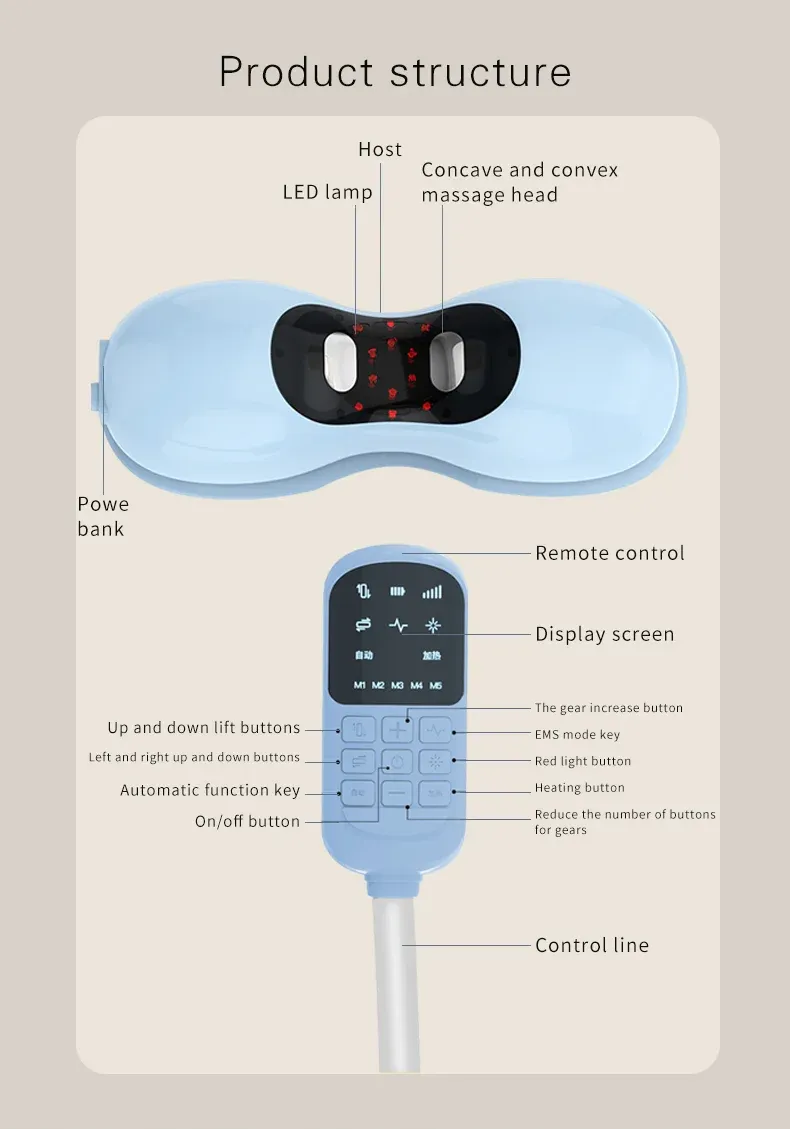
For those who carry tension in the upper trapezius (and honestly, who doesn't after a long day?), a heated neck stretcher combines warmth therapy with gentle extension. The heat increases blood flow to tight muscles while the stretch addresses the structural component. Sorted.
Building a Complete Routine
The most effective approach I've found combines three elements:
- Overnight: Cervical pillow maintaining neutral alignment (6–8 hours)
- Morning: 5 minutes of gentle neck mobility exercises
- Evening: 10–15 minutes with a traction or stretching device before bed
This spring, I've been following this routine consistently and the difference compared to last year is night and day. That said, everyone's situation is different — if you're dealing with diagnosed disc issues or nerve compression, check with your GP or physiotherapist before starting traction.
Frequently Asked Questions
How long does it take to adjust to a cervical neck pillow?
Most people need 5–14 days to fully adjust to a cervical pillow. The first 3–4 nights may feel unusual as your muscles adapt to neutral alignment. By day 7–10, most users report noticeably reduced morning stiffness. If discomfort persists beyond 3 weeks, the pillow height likely doesn't match your shoulder measurements.
Can side sleepers use a cervical pillow?
Yes — side sleepers benefit significantly from cervical pillows with dual-height contours. Look for models with a 10–13 cm raised edge for side sleeping and a lower 8–10 cm edge for back sleeping. The higher profile fills the shoulder-to-ear gap, keeping the cervical spine straight rather than kinked laterally.
How often should I replace a cervical pillow?
Quality cervical pillows with 50–80 kg/m³ density foam last 3–5 years before support degrades. Check annually by pressing the foam — if it takes longer than 5 seconds to return to shape, or shows permanent indentation deeper than 1 cm, it's time for replacement. Budget options under £20 typically need replacing within 12–18 months.
Is a cervical pillow suitable for people with arthritis?
Cervical pillows are generally well-suited for arthritis sufferers as they reduce joint stress by maintaining neutral alignment. The consistent support minimises overnight micro-movements that aggravate inflamed cervical facet joints. However, those with severe cervical spondylosis should consult their GP or rheumatologist before switching, as best height requirements may differ.
What's the difference between a cervical pillow and an orthopaedic pillow?
"Orthopaedic pillow" is a broad marketing term covering any pillow claiming musculoskeletal benefits. A cervical pillow is specifically contoured for the neck's lordotic curve, with distinct zones for head and neck support. Not all orthopaedic pillows have cervical contouring — many are simply firmer versions of standard shapes without targeted spinal alignment features.
Can a cervical pillow help with snoring?
A cervical pillow can reduce positional snoring by maintaining an open airway angle. When the head tilts too far forward or back, the airway narrows — a properly contoured pillow keeps the chin-to-chest angle at approximately 15–20 degrees, which research associates with reduced soft palate vibration. It won't cure sleep apnoea, but mild positional snoring often improves.
Key Takeaways
- Traditional pillows compress 50% within 18 months, losing the support your cervical spine needs for neutral alignment during 2,500+ hours of annual sleep.
- A cervical neck pillow maintains the spine's natural 20–40° lordotic curve through contoured zones — raised neck support (8–12 cm) and recessed head cradle (6–8 cm).
- Foam density of 50–80 kg/m³ is the benchmark for lasting cervical support; anything below 40 kg/m³ will flatten too quickly to justify the investment.
- Morning stiffness can reduce by up to 60% within 2–4 weeks of consistent use with a properly fitted cervical pillow.
- Side sleepers need 10–13 cm pillow height matching their shoulder-to-neck measurement; back sleepers need 8–10 cm.
- Cost per night works out at 3–5p for a quality cervical pillow over its 3–5 year lifespan — comparable to or cheaper than replacing standard pillows annually.
- Combining overnight cervical support with daytime traction (10–15 minutes) provides the most thorough approach to long-term neck health.
Ready to try FlikezCervi?
Shop Now — £101.42